Exploring New Frontiers: Help Strengthen Emergency Response in India
Over the past months, I’ve become increasingly fascinated by the scale, complexity, and urgency of improving emergency response systems in India.
-With over 1.4 billion people, rapidly growing cities, and millions of lone workers, women, children, and students who deserve safer environments — the opportunity for meaningful impact is enormous.
- A meta‑analysis found a weighted prevalence of domestic violence (physical, emotional and sexual) against women in India of 31.2%, with 28.5% reporting physical violence, 13.1% emotional violence and 5.7% sexual violence.
- A report found that among female medical/health‑care staff in India, about 40% stated they had been sexually harassed at work; ~45% of those reported harassment more than 3 times.
And now, I’m genuinely curious:
Could technology – together with the right local partners – help support or even transform aspects of India’s emergency ecosystem?
We know that:
* Response times can be long
* Reporting processes are often manual
* Millions still have limited access to reliable emergency support
* Lone workers and women face disproportionate risks
* Enterprises are looking for better tools to protect their employees
With India’s rapid digital adoption, strong mobile-first population, and government focus on safety, the timing feels right for important conversations.
- I’m not claiming to have all the answers — but I’m deeply interested in learning more from experts, policymakers, organizations, and innovators across India working within:
• Emergency services
• Public safety technology
• Telecom & mobility
• Women’s safety initiatives
• Lone worker protection
• Enterprise safety solutions
• AI for social impact
…I would love to connect, listen, and understand how bSafe might contribute.
India is a place of extraordinary potential
— and I’m curious about what we could build together to make safety smarter, faster, and more accessible for everyone.
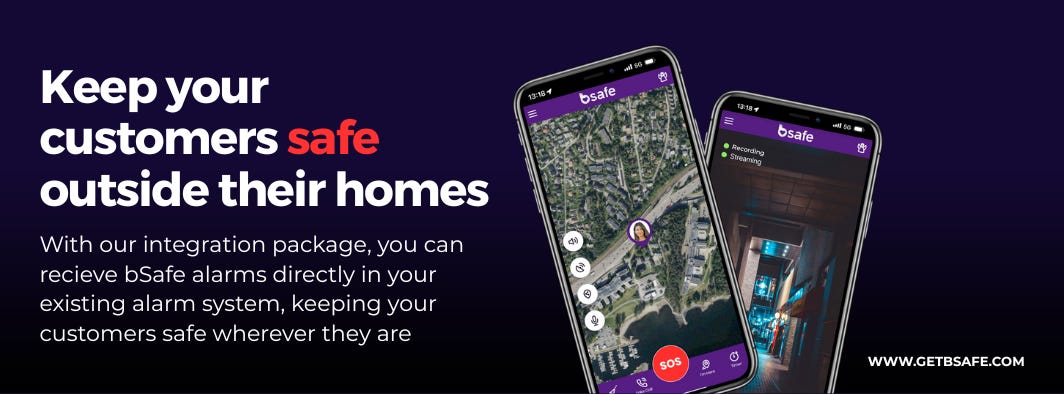
Here is how our technology works:
https://www.getbsafe.com/how-it-works